Publications
Books in Progress
Worldly Situations: Form, Space, and the Mexican Novel’s Countertopographical Imagination
In Worldly Situations, I argue that the 1960s mark the moment when the Mexican novel becomes worldly, when against the grain of its national concerns, its formal patterns for the first time produce a situated perspective on the uneven configurations of global capitalism. I call this perspective the novel’s countertopographical imagination, a formal faculty arising from the world-building practices through which the novel form mediates spatiality across scales. Thinking countertopographically allows the Mexican novel of the 1960s to produce a unique form of situated knowledge that registers the spatial paradoxes and imperial practices of global capitalism vis-à-vis the collapse of Mexico’s national-popular state. This newly found aesthetic sensibility led the Mexican novel to represent spatial situations that, although resolutely national, rely on the scale-bending properties of modernist form to compose a new sense of worldly sociality. The book is structured around two spatial situations: the threshold and the interior, which I use to account for the spatial dynamism of the Mexican novel between 1958 and 1973. Countering the general absence of Mexican literature in current debates on new formalisms and world literature, Worldly Situations argues that the Mexican novel of the long sixties produces a uniquely peripheral perspective on the contradictory expansion of the capitalist system at the onset of globalization.
Latinamericanism and the Novel
Latinamericanism and the Novel examines the modernist novel of the 1960s as a purposive inquiry into the concrete forms of sociality produced by the logic of dependent capitalism. Through close readings of novels by Rosario Castellanos (The Book of Lamentations), Juan Carlos Onetti (The Shipyard), and Jorge Amado (Dona Flor and Her Two Husbands), this Element argues that the Latin American postwar novel not only registers the antithetical patterns of peripheral capitalist sociality but simultaneously partakes in the utopian figuration of possibility. Transition, scale, and combination are three formal elements that allow the Latin American postwar novel to mediate between political struggle and critical speculation, to simultaneously give form to the development of a sui generis capitalism and render thinkable the different horizons of possibility actualized by its contradictions. Under Review, Cambridge UP, Elements in the Novel.
Edited Volumes and Special Issues
Co-editor with Anna Björk Einarsdóttir, Inter-Revolutionary Latin America: Radical Literature and Internationalism from 1910 to 1959. “New Comparisons in World Literature,” Palgrave, series eds. Upamanyu Pablo Mukherjee and Sharae Deckard. In progress.
Co-editor with Emily C. Vázquez Enríquez, “Border Abolition in Latin American Literature.” Latin American Literary Review dossier. Under review.
“Peripheral Modernism in Theory.” Modernism/modernity Print Plus. Forthcoming.
Peer-Reviewed Articles
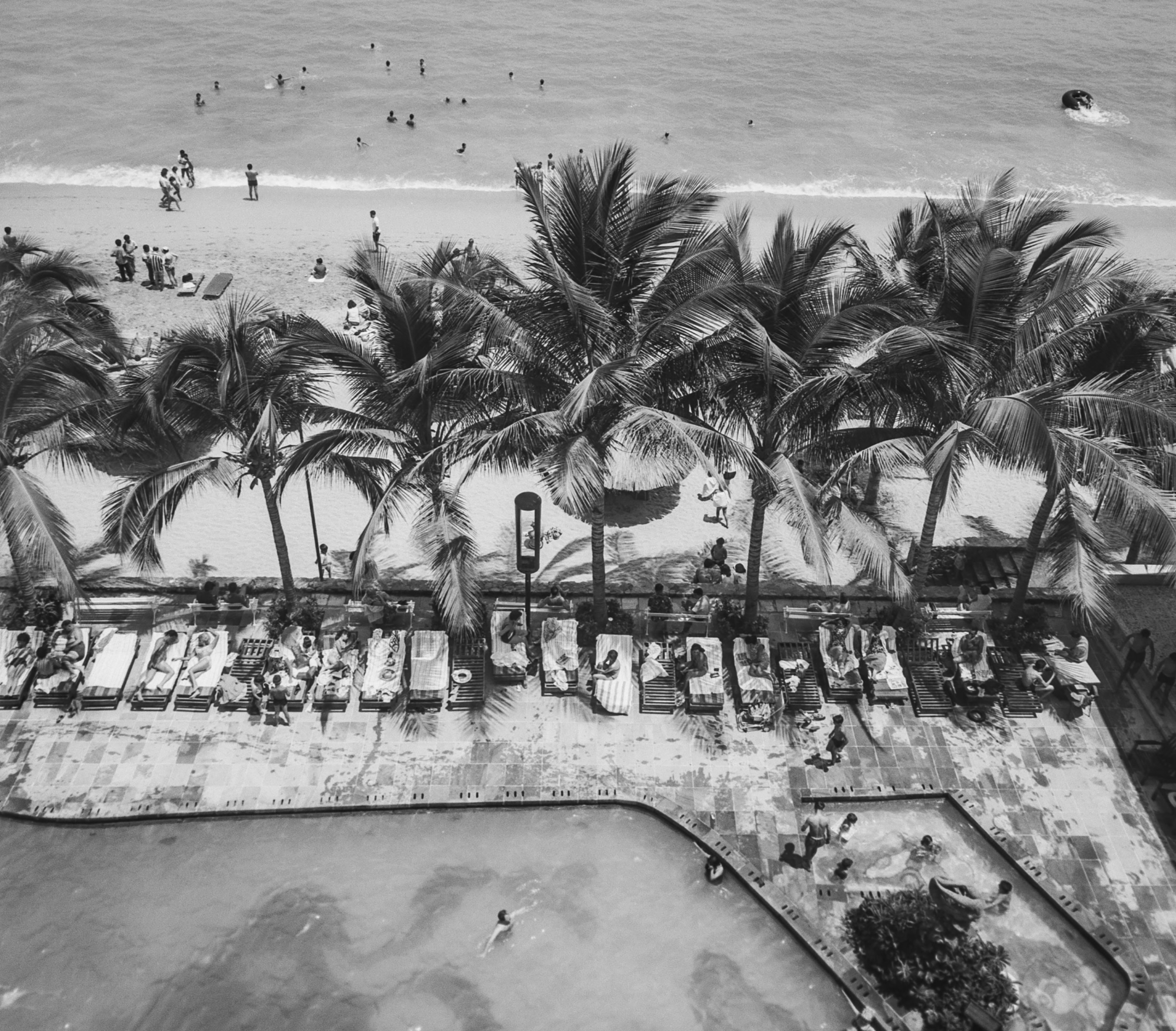
Acapulco and the Literary Geography of Underdevelopment
Literary Geographies, vol. 11, no. 1, 2025, pp. 1-20. Print.

The Prolific Roads of Reedification: Literature, Architecture, and Autonomy in Post-Revolutionary Mexico
FORMA: A Journal of Latin American Criticism and Theory, vol. 3, no. 2, 2024, pp. 37-58. Web. Print.
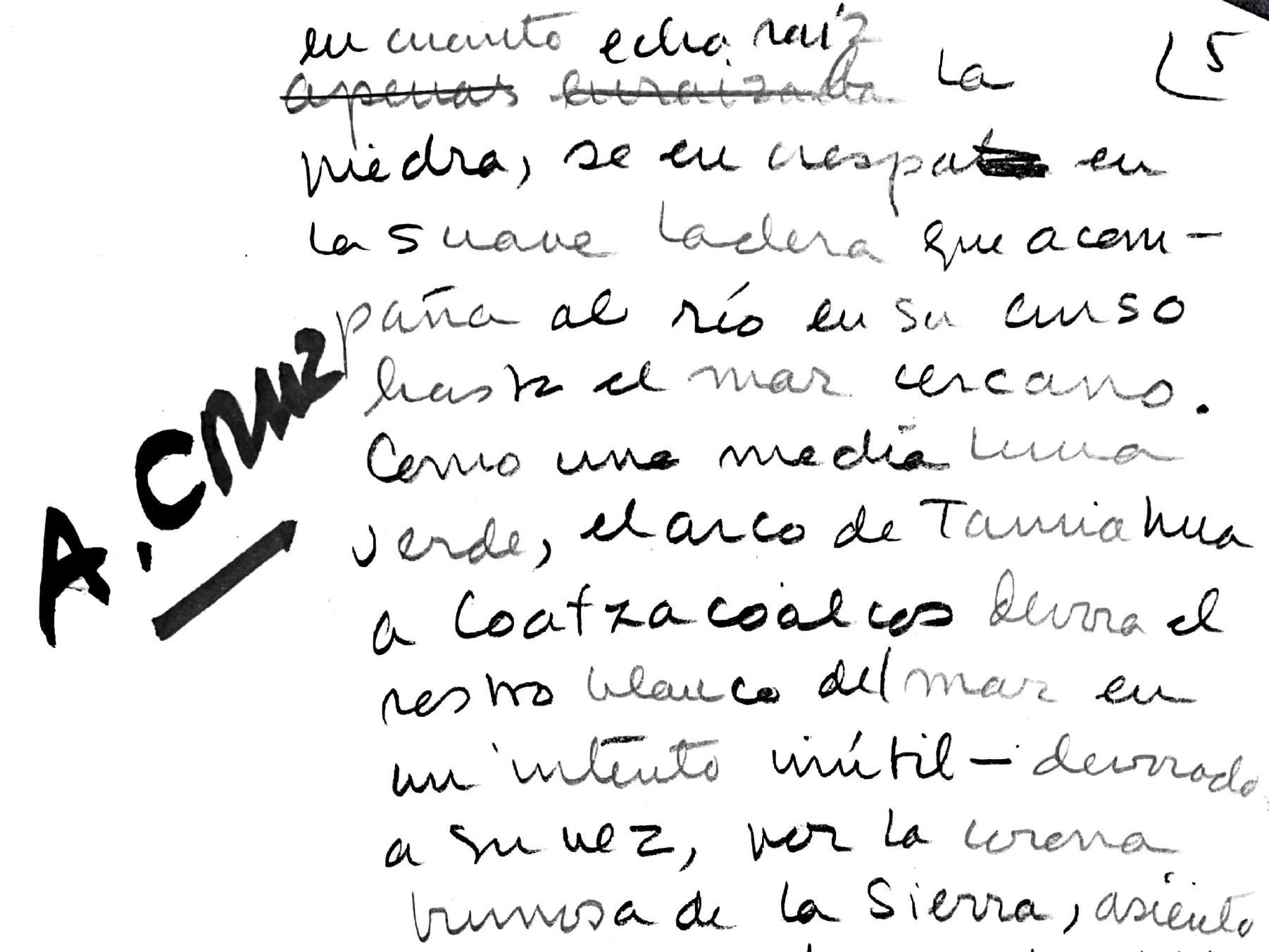
Capitalist Thresholds: La muerte de Artemio Cruz and the Mapmaking of Modern Mexico
Symposium: A Quarterly Journal in Modern Literatures, vol. 76, no. 3, 2022, pp. 127-140. Print.
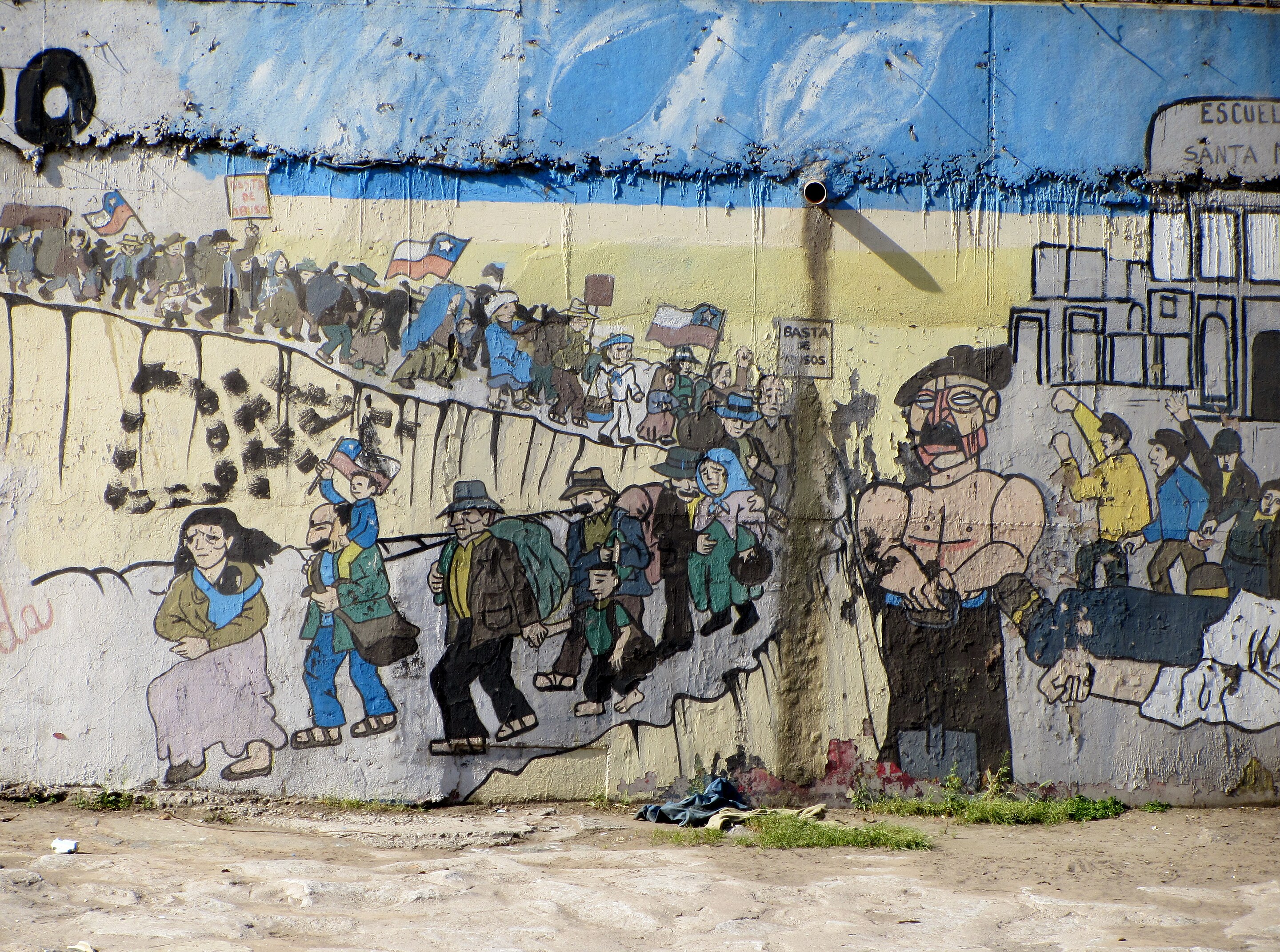
Nothing But Workers: Reading Class Struggle in Diamela Eltit’s Mano de obra
Journal of Latin American Cultural Studies, vol. 30, no. 3, 2021, pp. 399-415. Print.
Translation
Hacia la novela como crítica, by Anna Kornbluh
Nuevas poligrafías: revista de teoría literaria y literatura comparada, no. 12, 2025, pp. 149-166. Print.
Book Reviews
Mexico, Interrupted: Labor, Idleness, and the Economic Imaginary of Independence, by Sergio Gutiérrez Negrón. Romance Quarterly, vol. 72, no. 3, 2025, pp. 216-217. Print.
After Marx: Literature, Theory, and Value in the Twenty-First Century, edited by Colleen Lye and Christopher Nealon. Symposium: A Quarterly Journal in Modern Literatures, vol. 78, no. 1, 2024, pp. 26-28. Print.
Embodied Archive: Disability in Post-Revolutionary Mexican Cultural Production, by Susan Antebi. Revista de Estudios Hispánicos, vol. 57, no. 1, 2023, pp. 118-120. Print.
Developmental Aspirations contra Internationalist Solidarity: Mexico and the Global Economy. Review essay of The Last Good Neighbor: Mexico in the Global Sixties, by Eric Zolov, and Revolution in Development: Mexico and the Governance of the Global Economy, by Christy Thornton. Chasqui: revista de literatura latinoamericana, vol. 50, no. 2, 2021, pp. R15-R18. Print.
Infrapolitical Passages: Global Turmoil, Narco-Accumulation, and the Post-Sovereign State, by Gareth Williams. Transmodernity: Journal of Peripheral Cultural Production of the Luso-Hispanic World, vol. 9, no. 6, 2021, pp. 151-156. Print.
 Pavel Andrade, Ph.D.